
UK Residents Urgent Action
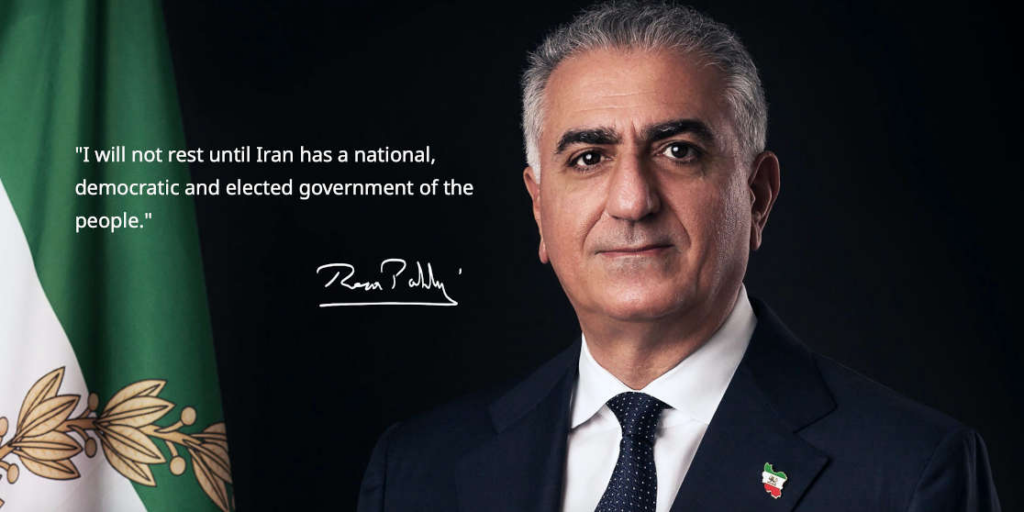
This platform serves as a global hub for demonstrations organised around the world, amplifying the voices of those who have taken to the streets to topple the current regime. It represents those who reject the unholy alliance of Islamism and Marxism, those who have sacrificed their lives for a secular Iran, and those who, with their final breath, called for the return of Reza Pahlavi to lead Iran toward democratic elections and a free future.
For over 50 years, the Iranian people have suffered under the Islamic regime. This regime has funded armed groups such as Hamas, Hezbollah, Hashd al-Shaabi, the Fatemiyoun Brigade and Houthis, and other terrorist organisations across the Middle East and around the globe, while also promoting their ideological penetration into communities in the West, targeting young people in universities and schools. These groups have been used as tools to brutally suppress dissent and massacre thousands of Iranian protesters. In recent days alone, the Islamist regime has carried out mass killings, resulting in the deaths of more than 50,000 innocent people in Iran between 10th to 19th of Jan 2026.
Thank President Trump and USA
Iranian Celebration of Khamenei’s Death News
Thank you Bibi Netanyahu and Isreal
Here is why our slogan says:
Down with the three corrupts — the Molahs, the Leftists, and the Mojahed.
Three Groups that we, Iranian people DON’T want
Reformists – Mullahs
Mullahs and Eslah-talab (Reformists) are not an alternative to the current system. They believe in making small adjustments while keeping the same ideology and power structure of the Islamic Republic of Iran intact. In practice, they operate within the same clerical framework, respect the same red lines, and ultimately serve the same system under a different label. For many Iranians, reformists are seen as the same regime with a softer language, offering limited change while preserving the core problems that have kept the country unfree.
Leftist – Chapis
Chapis are often described as a loosely defined leftist current rather than a unified or organized party. They are commonly critical of all major political forces, including monarchists, reformists, nationalists, and religious groups. Because of this, many people perceive them as opposing every existing political movement without offering a clear or practical alternative for governance. Their positions are frequently rooted in ideological purity rather than political pragmatism, which has led to criticism that they focus more on rejecting others than on presenting a concrete, realistic vision for Iran’s future. As a result, they are often seen as fragmented, internally divided, and unclear about what they ultimately want beyond opposition itself.
Mojahed
Mojahed (MKO / MEK) are widely viewed by Iranians as an authoritarian, cult-like organization rather than a democratic alternative. Mojahed chose and took Khomeyni’s side during 1978. Ideologically, they combine Marxist roots with Islamic elements, resulting in a rigid system that is often described as more extreme than the current regime. The group enforces absolute internal obedience, suppresses dissent, and operates under a highly centralized, biocratic-style leadership. Because of this structure, marked by personality cult, isolation of members, and total control, it is frequently compared to North Korea. Despite strong lobbying and media activity abroad, the Mojahed lack genuine popular support inside Iran and are largely rejected as neither representative nor capable of delivering a free, democratic future for the country.